Zero-Waste Flavours from Britain’s Seasons

Today we dive into zero-waste cooking and food preservation with seasonal British produce, celebrating resourcefulness, thrift, and bright, honest flavours. Discover how to transform knobbly carrots, windfall apples, beet tops, herb stems, and fish trimmings into joyful meals and clever preserves that honour farmers, protect budgets, and lighten your footprint without sacrificing comfort, creativity, or pleasure at the table.

Tasting the Calendar: Spring, Summer, Autumn, Winter
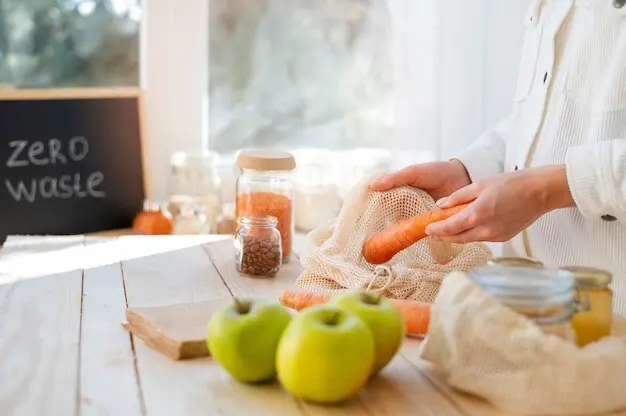
Spring Greens, New Potatoes, and Nettles
When hedgerows tingle with nettles and markets brim with tender leaves, think gentle heat and swift preservation. Blitz nettles into a bright pesto using almond crumbs and saved Parmesan rinds; boil new potatoes in a stock made from onion skins and herb stems; quick-pickle radish tops instead of discarding. Blanch extra greens, freeze flat on trays, and label by week. Small habits early in the year build momentum for lean-waste cooking ahead.

Summer Gluts into Jams, Pickles, and Freezer Gold
Summer’s generosity can overwhelm fridges, yet it’s your best ally against waste. Simmer soft berries into low-sugar freezer jam, using lemon pips saved in a muslin bag for natural pectin. Salt-sweat courgettes with tired dill stems, then quick-pickle for lunches. Roast tomato odds with onion ends for a concentrated passata, freeze in thin sheets to snap off portions. Elderflowers become cordial; leftover syrup sweetens vinegars. Think abundance captured, not perishables abandoned.

Autumn Comforts and Winter Wisdom

As nights draw in, brassica leaves, apples, squash, and roots ask for deeper flavours and slower methods. Turn apple peels into vinegar, squash skins into crisps, and brassica ribs into kimchi that hums through cold evenings. Render roast drippings into flavour bricks, freeze potato peel broth for gravies, and lean on sturdy chutneys to brighten leftovers. Bones, leek tops, and cheese rinds become restorative stockpots. Winter waste shrinks when every scrap earns warmth and purpose.

Root-to-Leaf, Nose-to-Tail at Home

Efficiency meets generosity when every edible part gets a role. Root-to-leaf and nose-to-tail thinking unlocks flavour and nutrition hidden in trimmings you once tossed. Carrot tops become zesty gremolata, cauliflower leaves roast into sweet edges, beet greens shine like spinach, and fish frames yield luxurious soups. This mindset respects animal, soil, labour, and energy, turning frugality into delicious ritual rather than deprivation, with savings you’ll taste and measure week after week.

Carrot Tops, Cauliflower Leaves, and Beet Greens

Bundle carrot tops with lemon zest and stale almond ends for a punchy condiment; fold into grains, soups, and omelettes. Roast cauliflower leaves with garam masala until blistered and snackable. Sauté beet greens with garlic skins-infused oil for minerally depth, finishing with cider vinegar made from apple peels. Shave broccoli stems paper-thin for salads, ferment odds in small jars, and remember: greens attached to roots are dinner, not debris, waiting patiently for inspiration.

Bones, Offal, and Fish Frames

Ask butchers for chicken backs or beef marrow bones; they’re perfect for pressure-cooker stock enriched with leek tops and mushroom stems. Whizz chicken livers with thyme stalks for silky pâté, freezing ramekins for swift suppers. Fishmongers often offer frames cheaply or free; roast gently, then simmer with fennel fronds for a briny, elegant broth. These parts carry collagen, minerals, and deep flavour, proving respect and economy coexist beautifully in the same comforting bowl.

Preservation Arts for Busy Weeknights

Old-fashioned methods thrive in modern lives when streamlined smartly. Fermentation, freezing, dehydrating, and infusing can be compact, safe, and weeknight-friendly. Keep salt scales handy, jars spotless, labels honest, and freezers organized by month. Rely on tray-freezing herbs, oven-drying apple rings alongside roast dinners, quick brines for surplus cucumbers, and shelf-stable syrups from hedgerow finds. Preservation stops panic, buys time, and turns unpredictable markets or CSA surprises into steady, confident cooking throughout the week.

01

Fermentation with Confidence and Clarity

Start simple: shredded cabbage, 2% salt by weight, and clean jars. Include cores for crunch and reduce waste. Press until brine rises, weight down, and keep cool. Burp kraut in early days, then forget it kindly. Add brassica leaves, radish tops, or beet stems for colour and thrift. Ferments preserve nutrition, build gut-friendly complexity, and lend spark to roasted roots or sandwiches. Note dates, taste often, and let tangy patience train your palate.

02

Low-Effort Freezing and Dehydrating

Blanch herbs, spin dry, freeze flat in bags to break off portions. Freeze tomato paste in teaspoons on a tray, then jar the nuggets. Dehydrate apple rings at low heat during cooler evenings, piggybacking on residual oven warmth. Keep a “use-first” freezer bin, rotate weekly, and review labels on Fridays. Dry orange peels for spice blends, blitz mushroom stems into powder, and watch your weekday meals gain instant depth without extra shopping or waste.

03

Vinegars, Oils, and Syrups that Stretch Flavour

Steep apple peels and cores with sugar and water for bright vinegar; strain and age. Submerge herb stems in neutral oil for quick drizzles, freezing in cubes to stay safe and fresh. Reduce elderflower syrup with lemon rinds for a concentrated cordial that sweetens granitas and glazes carrots. Clean jars thoroughly, sterilise bottles, label dates and ratios, and stash small bottles as edible gifts. Infusions extract fleeting seasonal notes, preserving memories alongside flavour.

Clever Planning and Storage that Prevents Waste

A calm kitchen starts on paper and ends on clean shelves. Plan modestly, shop seasonally, and design flexible meals that welcome leftovers. Zone the fridge, label containers, and give a visible corner to urgent items. Batch-cook components rather than full dishes. Keep a peel-and-parings stock bag in the freezer, a weekly audit ritual, and a standing “eat-me-first” list. Small structural habits reduce accidental spoilage while saving money and mental energy every single week.

The Two-List Shop and Market Conversations

Arrive with two lists: foundations you truly need, and flexible extras shaped by real-time bargains or gnarly beauties. Chat with growers about seconds, offcuts, or surplus trays. Plan meals around what wants attention first, not what looked good yesterday. Ask fishmongers for frames to build broths. Let price, season, and ripeness guide choices. This human, curious approach rewards you with better flavour, fewer binfuls, and friendly faces who remember your jars and stories.

Fridge Zoning, Labelling, and Gentle Care

Create clear zones: ready-to-eat, cook-soon, and raw prep. Store herbs like flowers, trimmed and watered. Wrap leafy greens in damp cloth to extend life. Label every container with content and date, using bold, legible ink. Practice FIFO—first in, first out—every Sunday. Keep a spill kit and odour absorber to encourage tidiness. When ingredients are visible, named, and respected, they get cooked joyfully rather than forgotten. Tidiness, like seasoning, amplifies every other kitchen effort.

Leftover Alchemy for Happy Suppers

Turn small bowls of cooked veg into frittatas, bind grains with beaten eggs, and finish with herb-stem oil. Simmer peel-stock with miso for fast soup, then brighten with pickled radish tops. Shred roast chicken scraps into barley, add lemony roasted brassica leaves, drizzle with apple-peel vinegar. Crumble bruised fruit beneath oat streusel perfumed by saved citrus zest. Leftovers become flexible building blocks, not burdens, when you learn to ask, “What can this become next?”

Flavour Wins: Recipes You’ll Cook Again
If thrift tastes incredible, the habit sticks. These dishes highlight British seasons while transforming scraps into centrepieces. You’ll pull flavour from peels, drippings, and stems; you’ll champion texture with roasted odds; and you’ll welcome brightness from ferments and quick pickles. Each recipe invites improvisation and substitution, because real frugality is adaptive. Save money, impress friends, and feel quietly triumphant every time a would-be leftover returns to the table with confidence and sparkle.

Stories from Kitchens Across Britain

Traditions whisper through jars and skillets. We’ve heard from grandmothers in Cornwall still drying apple rings by the Rayburn, students in Manchester swapping carrot-top pesto, and a Shetland fishmonger gifting frames for soup. These tales prove zero-waste isn’t new; it is continuity, community, and pride. When knowledge travels between neighbours and generations, scraps become stories, and fridges feel friendlier. Share yours, learn from ours, and keep the circle turning with warmth and good humour.

Join the Table: Share, Subscribe, and Swap
Your voice keeps this kitchen alive. Tell us what’s ripening near you, what lingers in your crisper, and which tricks rescued dinner last night. Subscribe for seasonal checklists, preservation reminders, and small challenges that change habits gently. Comment with questions, post photos of your jars, and tag your market victories. We’ll gather tips into guides, celebrate wins, and troubleshoot stumbles together. Collective practice multiplies results; your single saved carrot becomes a movement when we cheer it.
Telifarilaxidexoviro
Privacy Overview

This website uses cookies so that we can provide you with the best user experience possible. Cookie information is stored in your browser and performs functions such as recognising you when you return to our website and helping our team to understand which sections of the website you find most interesting and useful.